# HR Software Transforming Workforce Management
In today’s competitive market, the need for a **programa recursos humanos** has become essential for organizations seeking to streamline talent management and improve operational efficiency. [programa recursos humanos](//cezannehr.com/es/) offers a comprehensive solution that aligns technology with the evolving demands of the modern workplace.
## Key Benefits of Modern HR Software
Companies adopting advanced HR platforms report measurable improvements across several dimensions. Automation of routine administrative tasks reduces manual errors and frees up HR professionals to focus on strategic initiatives. Real‑time analytics empower leaders with actionable insights, enabling data‑driven decisions that enhance recruitment, retention, and employee development. Moreover, a unified system fosters better communication between managers and staff, creating a more transparent and collaborative environment.
### Streamlined Recruitment and Onboarding
Integrated applicant tracking systems accelerate the hiring cycle by centralizing candidate data, automating interview scheduling, and providing customizable assessment tools. Once a candidate is selected, the onboarding module guides new hires through paperwork, training assignments, and introductions to company culture, ensuring a smooth transition and early productivity.
### Efficient Payroll and Benefits Administration
Payroll processing becomes more accurate and timely when linked directly to attendance records, overtime calculations, and tax regulations. Benefits enrollment tools simplify the selection process for employees while maintaining compliance with local labor laws and corporate policies.
## Core Features Driving Efficiency
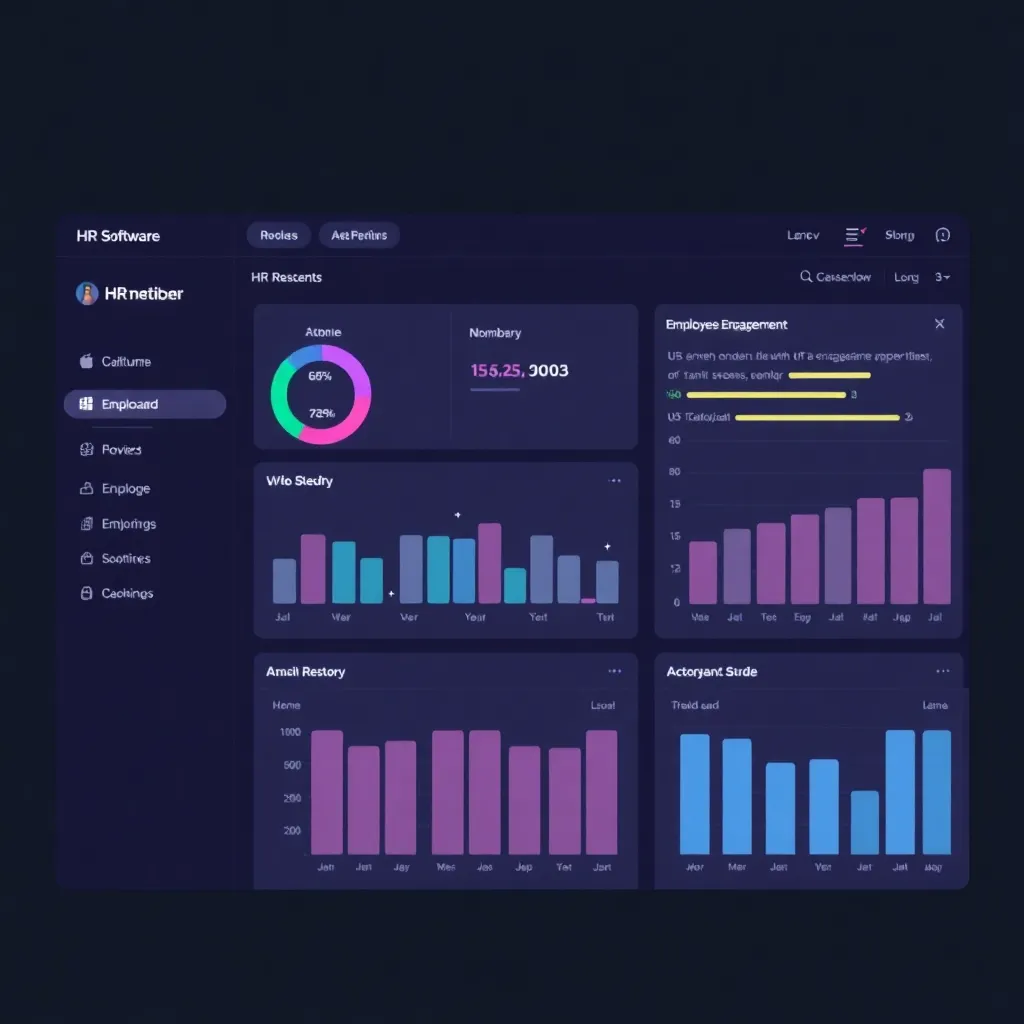
The backbone of any robust HR platform lies in its modular architecture, which allows organizations to scale functionalities as they grow. Core features typically include talent acquisition, performance management, learning and development, time and attendance, and workforce analytics. Each module integrates seamlessly, eliminating data silos and providing a single source of truth for HR data.
### Performance Management and Goal Setting
Continuous performance feedback replaces the traditional annual review model, encouraging ongoing dialogue between employees and supervisors. Goal‑setting frameworks align individual objectives with corporate strategy, while customizable scorecards track progress and highlight areas for improvement.
### Learning Management and Career Development
Learning management systems (LMS) deliver personalized training pathways, leveraging AI to recommend courses based on skill gaps and career aspirations. This focus on upskilling not only boosts employee engagement but also prepares the workforce for future challenges.
## Impact on Employee Experience
Employee experience has emerged as a critical differentiator in talent markets. A well‑designed HR platform puts employees at the center, offering self‑service portals where they can update personal information, request time off, and access pay stubs with just a few clicks. Mobile accessibility ensures that remote and field workers stay connected to the same resources as office‑based staff.

### Enhanced Communication and Collaboration
Integrated messaging and social collaboration tools break down hierarchical barriers, fostering a culture of openness and innovation. Employees can share ideas, recognize peers, and participate in company‑wide initiatives without leaving the HR ecosystem.
### Well‑Being and Engagement Metrics
Surveys and pulse checks embedded within the platform capture real‑time sentiment, allowing leaders to address concerns before they escalate. Wellness programs, mental health resources, and flexible work options can be tracked and measured for effectiveness, reinforcing a holistic approach to employee care.
## Data Security and Compliance
Handling sensitive employee data demands rigorous security protocols. Modern HR solutions employ encryption, role‑based access controls, and regular audits to safeguard information. Compliance modules stay up‑to‑date with regulations such as GDPR, CCPA, and local labor statutes, reducing legal risk and ensuring that organizations meet their fiduciary responsibilities.
### Audit Trails and Reporting
Comprehensive audit logs record every change made within the system, providing transparency and accountability. Advanced reporting tools generate compliance reports, diversity analytics, and turnover analyses, supporting both internal governance and external regulatory requirements.
## Future Trends in HR Technology
Artificial intelligence and machine learning are reshaping the HR landscape. Predictive analytics can forecast turnover risk, identify high‑potential talent, and recommend personalized career pathways. Conversational AI chatbots handle routine inquiries, delivering instant support to employees around the clock.
### People Analytics and Decision‑Making
By aggregating data from multiple sources—performance reviews, engagement surveys, and external labor market trends—people analytics platforms provide a 360‑degree view of the workforce. Decision‑makers can simulate scenarios, such as the impact of a new remote work policy, before implementation.
### Integration with Emerging Technologies
Future HR ecosystems will increasingly integrate with Internet of Things (IoT) devices for real‑time health monitoring, virtual reality for immersive training experiences, and blockchain for secure credential verification. These innovations promise to further enhance efficiency, employee satisfaction, and organizational agility.
As organizations continue to navigate a rapidly changing business environment, the strategic adoption of a comprehensive HR software solution becomes more than a technological upgrade—it is a catalyst for cultural transformation and sustained competitive advantage.